
Inspired by legendary models like the 959, GT1, and 917, Porsche’s next-generation performance machine blends motorsport heritage with a bold vision for the future.
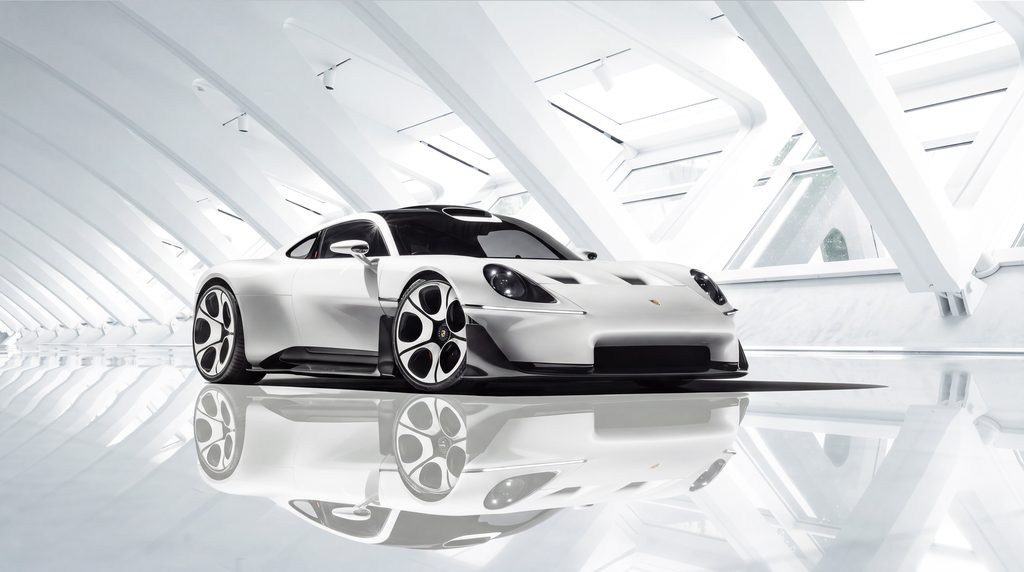
Porsche has never struggled to build fast cars, but its latest hypercar concept could represent a significant new chapter for the legendary German automaker. The Mission S combines design influences from some of the most celebrated models in Porsche history with an ambitious performance philosophy that could put the brand in direct competition with Lamborghini and McLaren. With speculation pointing toward more than 1,000 horsepower, the car has already captured the attention of enthusiasts eager to see what comes next.
For automotive photographer Robert Kerian, the Mission S represents something particularly exciting: a Porsche that understands its past without becoming trapped by it.
Kerian, who began photographing advertising campaigns in the 1990s, recalls working on a 1997 campaign for the Porsche 993 911 Turbo alongside renowned automotive photographer Clint Clemens. The project demonstrated how creative photography and memorable advertising could transform the way people experienced a performance car. Its bold headlines and distinctive imagery helped establish a benchmark that, in Kerian’s view, subsequent Porsche campaigns have struggled to match.
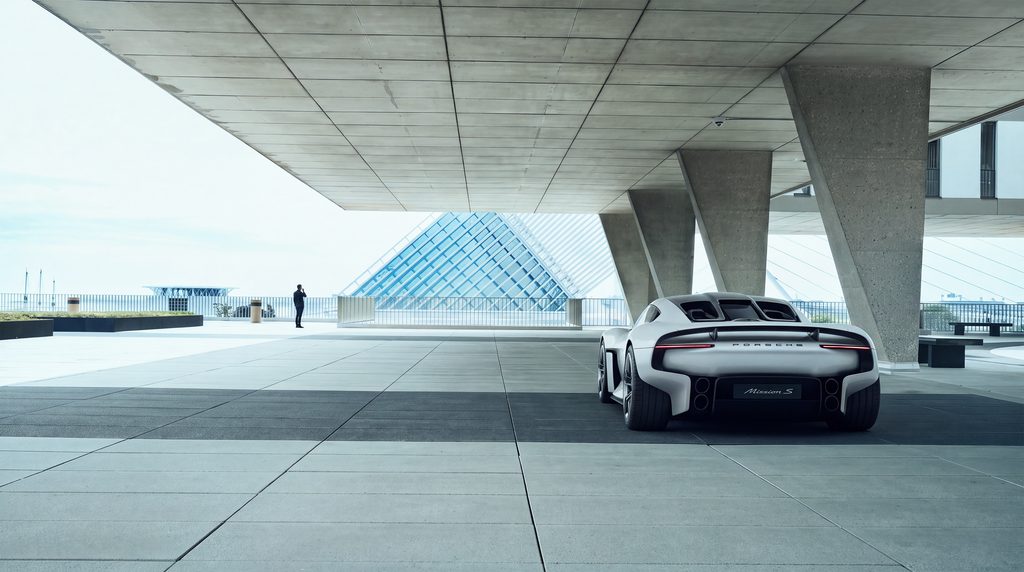
Seeing the Mission S brought back that same sense of possibility. Its combination of familiar design elements and forward-looking details suggests a vehicle developed to appeal to longtime Porsche devotees while attracting a new generation of supercar buyers.
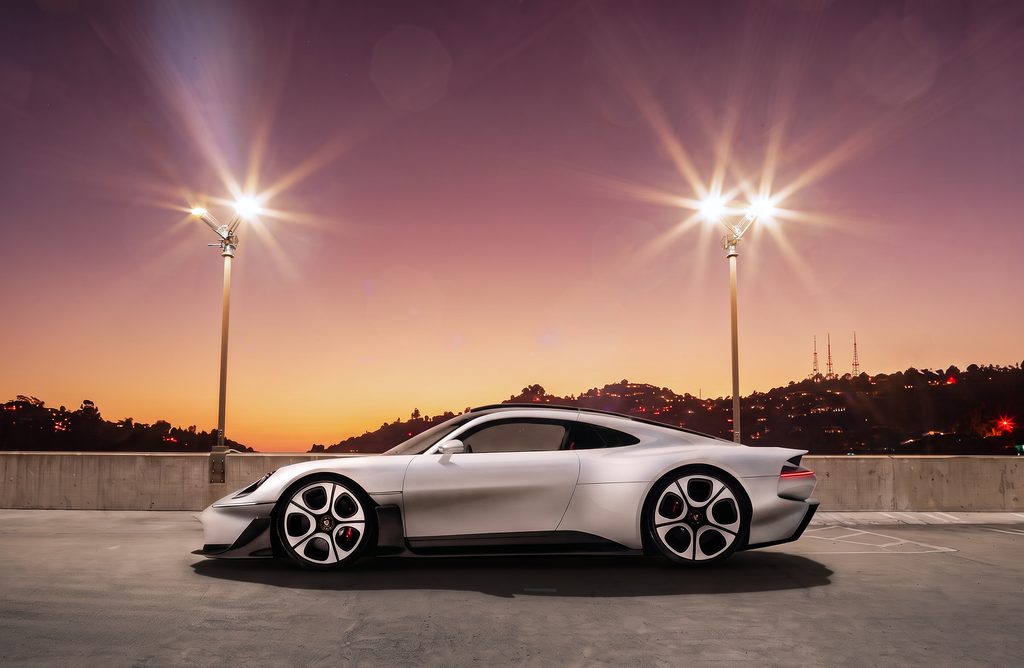
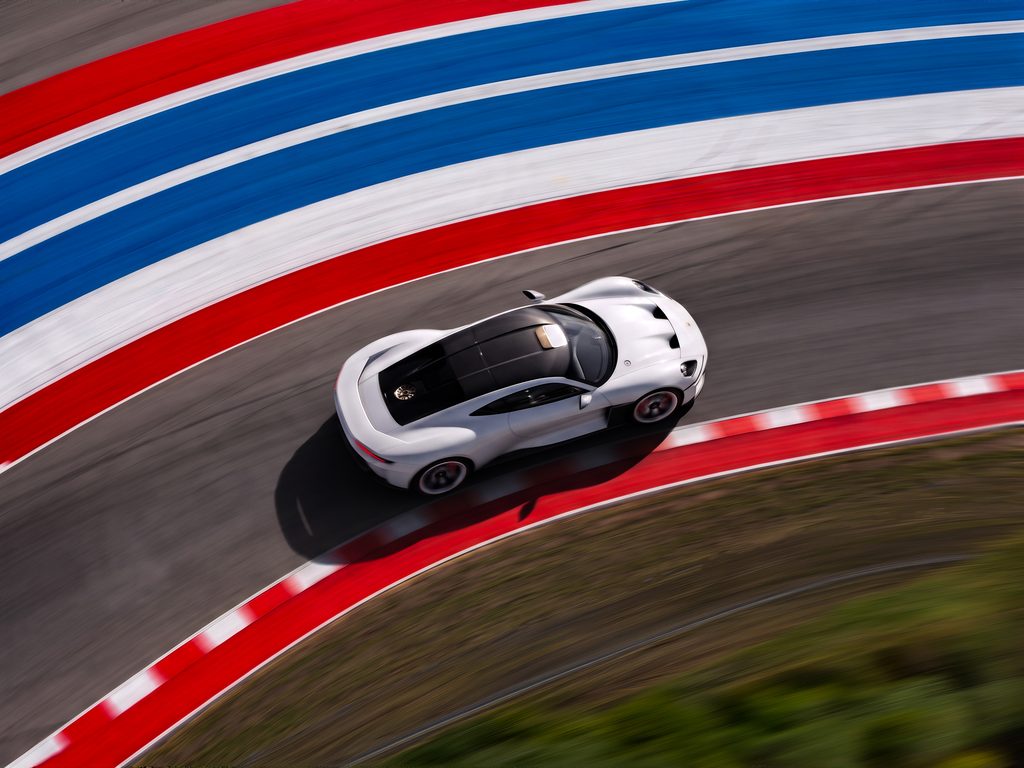
The Mission S draws heavily from Porsche’s extensive performance heritage, but its styling does more than simply reproduce familiar shapes.
Its unmistakable silhouette references the iconic 911, while the rear design recalls the Porsche 959, the technologically ambitious sports car that helped redefine performance during the 1980s. At the front, elements of the Porsche GT1 appear to influence the design, including a reinterpretation of the distinctive headlight styling associated with earlier models.
Another standout feature is the rear fan-inspired detailing, which evokes the legendary Porsche 917. Famous for its success at Le Mans, the 917 remains one of the most important racing cars in the company’s history. Its cultural legacy extends beyond motorsport, thanks in part to its appearance in the Steve McQueen film Le Mans.
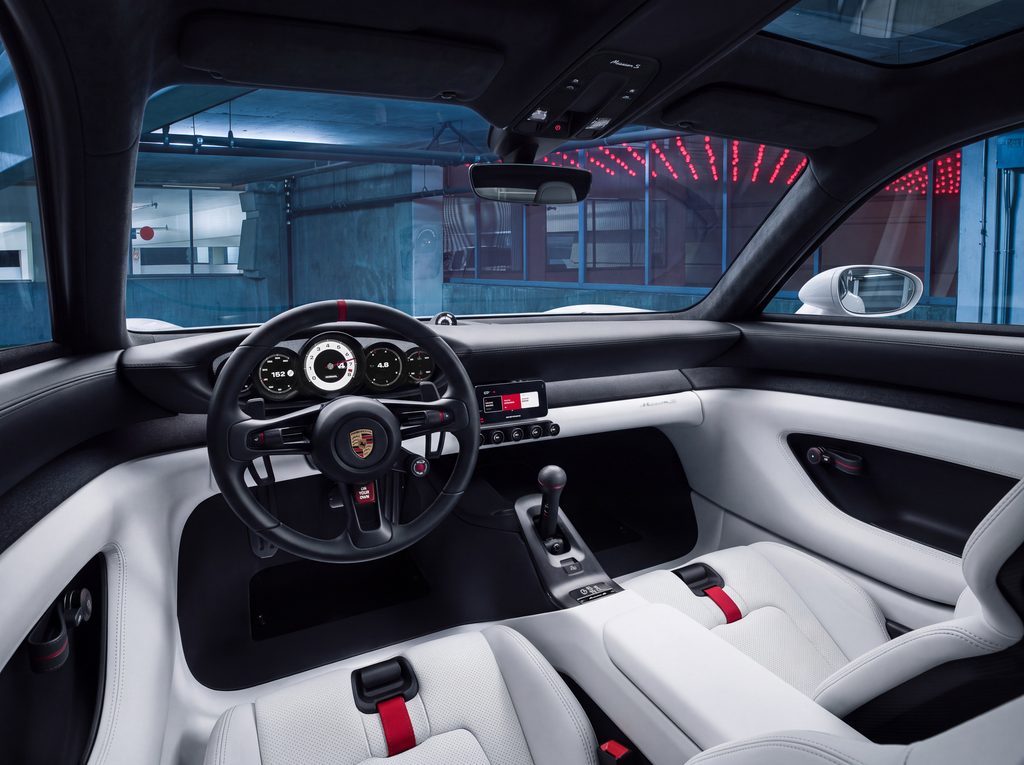
Inside, the Mission S reportedly features a five-gauge instrument layout reminiscent of Porsche interiors from the mid-1980s, reimagined with a blend of digital and mechanical elements. There are also visual references to the Porsche 918 Spyder, the brand’s groundbreaking hybrid hypercar.
What makes the design compelling is how these influences come together. Rather than appearing like a collection of borrowed ideas, the Mission S seems to reinterpret Porsche’s history through a more contemporary lens. It maintains the brand’s recognizable identity while establishing a distinctive visual presence of its own.
The Mission S could also signal Porsche’s intention to compete more directly with the world’s leading supercar manufacturers.
Although the 911 GT3 RS delivers extraordinary performance, its familiar silhouette means it is still widely perceived as a highly specialized version of Porsche’s iconic sports car. A dedicated hypercar would allow the company to establish a more distinct identity at the highest end of the performance market.
The Carrera GT and 918 Spyder demonstrated Porsche’s ability to build exceptional halo cars, but both models have long since left production. A new flagship could restore that sense of excitement while giving the company a platform to showcase its latest engineering and design ambitions.
Competition from Lamborghini and McLaren is fierce, making differentiation essential. The Mission S appears designed to deliver the visual drama expected of a modern hypercar without abandoning the understated engineering character that has long distinguished Porsche.
Naturally, its eventual price could reflect those ambitions. However, official pricing and production details would be needed before its position in the market could be established.
Performance remains one of the biggest unanswered questions surrounding the Mission S.
Kerian speculates that the car could feature a turbocharged flat-six engine paired with hybrid assistance, potentially delivering more than 1,000 horsepower. The cockpit’s apparent 8,000-rpm redline and paddle-shift gearbox also suggest a performance-focused driving experience, although the final specifications have yet to be confirmed.
The interior appears equally considered. Rather than filling the dashboard with an oversized central touchscreen, the design favors a cleaner layout, with a smartphone holder that could integrate the driver’s device into the car’s systems. It is an approach that prioritizes functionality without sacrificing modern technology.
One particularly intriguing detail is a steering-wheel button labeled “on your own.” Kerian wonders whether it could disable the car’s driving assistance systems, potentially giving experienced drivers greater control. Its actual function, however, remains unconfirmed.
For Kerian, the Mission S is among the most exciting Porsche designs he has encountered in years, recalling the anticipation surrounding the 918 Spyder. His own photographic interpretations of the vehicle combine existing images with carefully chosen locations, reflecting the same balance between heritage and innovation that makes the design so compelling.
Until Porsche confirms the Mission S’s final specifications, performance figures, and production plans, its ultimate significance remains uncertain. Nevertheless, the concept points toward an ambitious future for the brand.
If Porsche can translate the Mission S’s distinctive design and rumored performance into a production-ready hypercar, it could become a defining statement of the company’s next era—one that honors its racing legends while challenging the limits of what a modern Porsche can be.


